ENCORE: Environment-aware Cost-optimal Fault Recovery
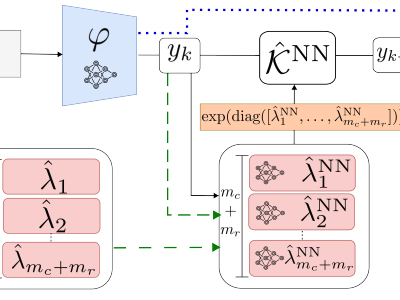
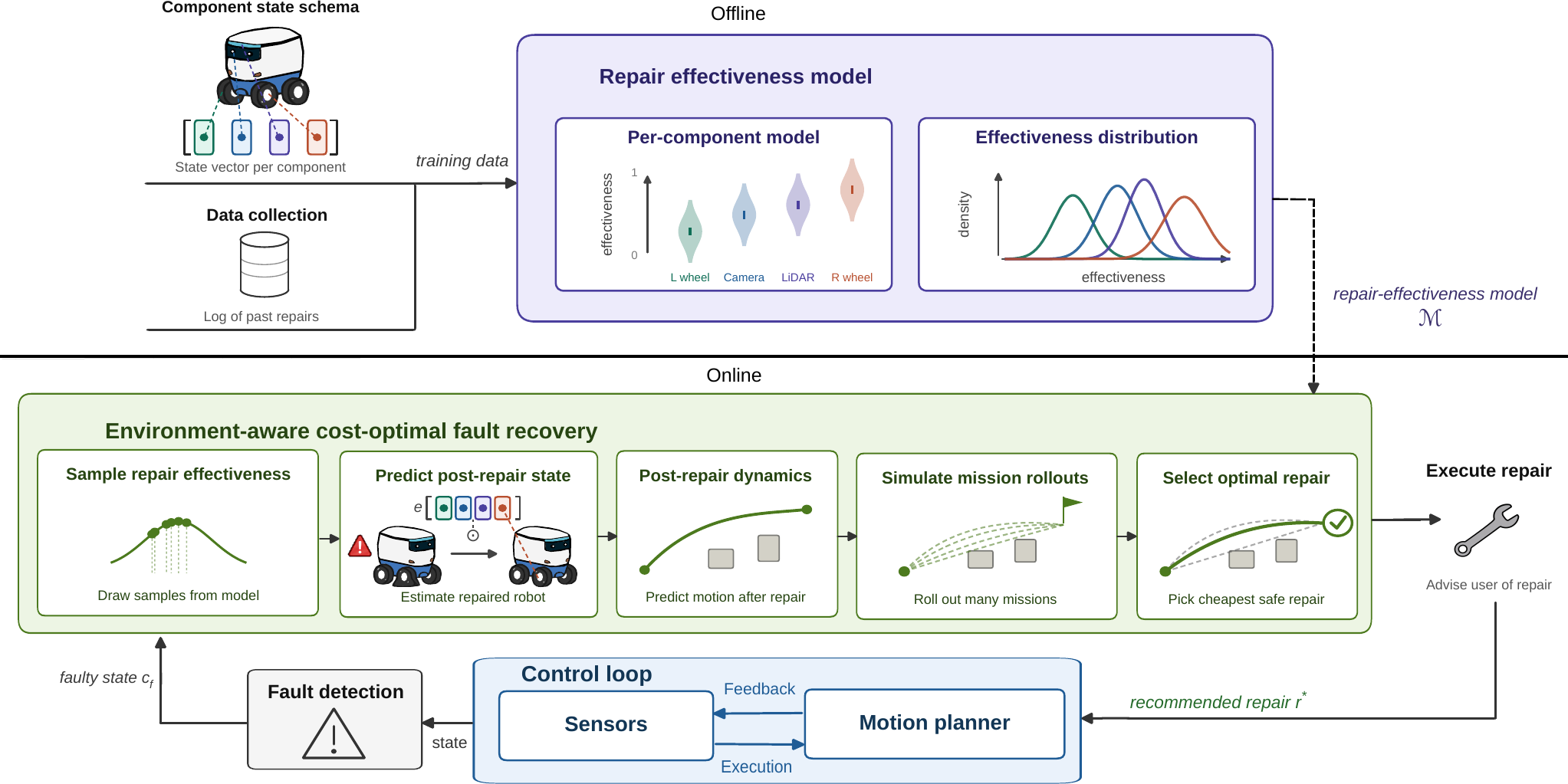
When a robot detects a hardware fault mid-mission, ENCORE recommends the repair that minimizes expected mission cost, using a learned model of repair effectiveness and risk-aware rollouts.
CS PhD student at Northeastern, advised by Prof. Michael Everett. I work on how robots can learn the affordances and equivariances of a task from small amounts of data by combining analytical models with neural networks, so that what they learn carries over to new tasks.
Seeking the core rules of interaction with the world
Robots that learn from few demonstrations need to understand which actions a scene allows and what those actions will do.
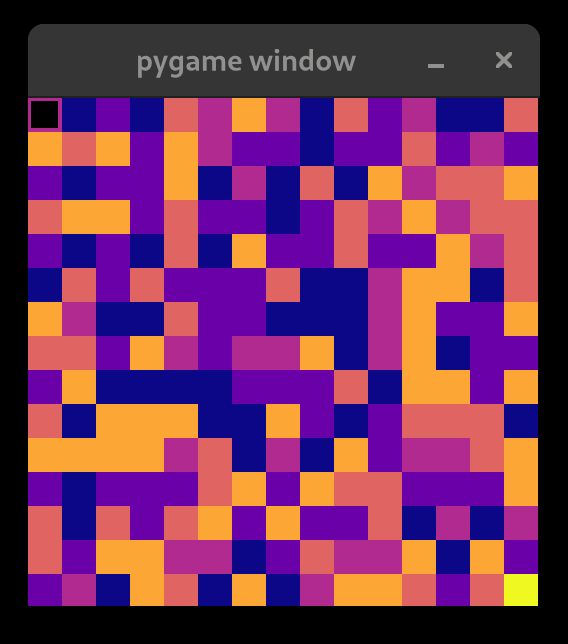
Part of the inspiration is Conway's Game of Life and especially Particle Life, where a small table of attraction rules between particle types produces complex, organized behavior. Efficient behavior in robots can also rest on a small set of rules.
The full research mission, with the map →Published and in-progress work

When a robot detects a hardware fault mid-mission, ENCORE recommends the repair that minimizes expected mission cost, using a learned model of repair effectiveness and risk-aware rollouts.

Predicts nonlinear dynamics with a linear model. Semidefinite programming finds a Koopman operator, then the mappings into and out of its space are learned, so the observable dimension no longer has to be guessed ahead of time.

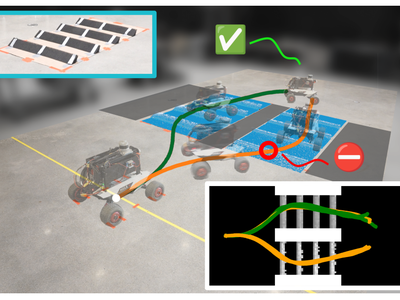
Predicts off-road traversability as a smooth function of approach angle, so one network pass covers every heading. Crosses a 40 m boulder field 91% of the time in simulation (vs. 73% for the baseline) and transfers to hardware.

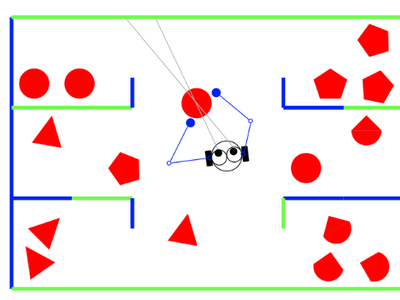
A developmental curriculum that gradually recruits sensors and motors, modeled on infant learning, improves sample efficiency by up to 10× on a mobile manipulation task and transfers to new domains without retraining.

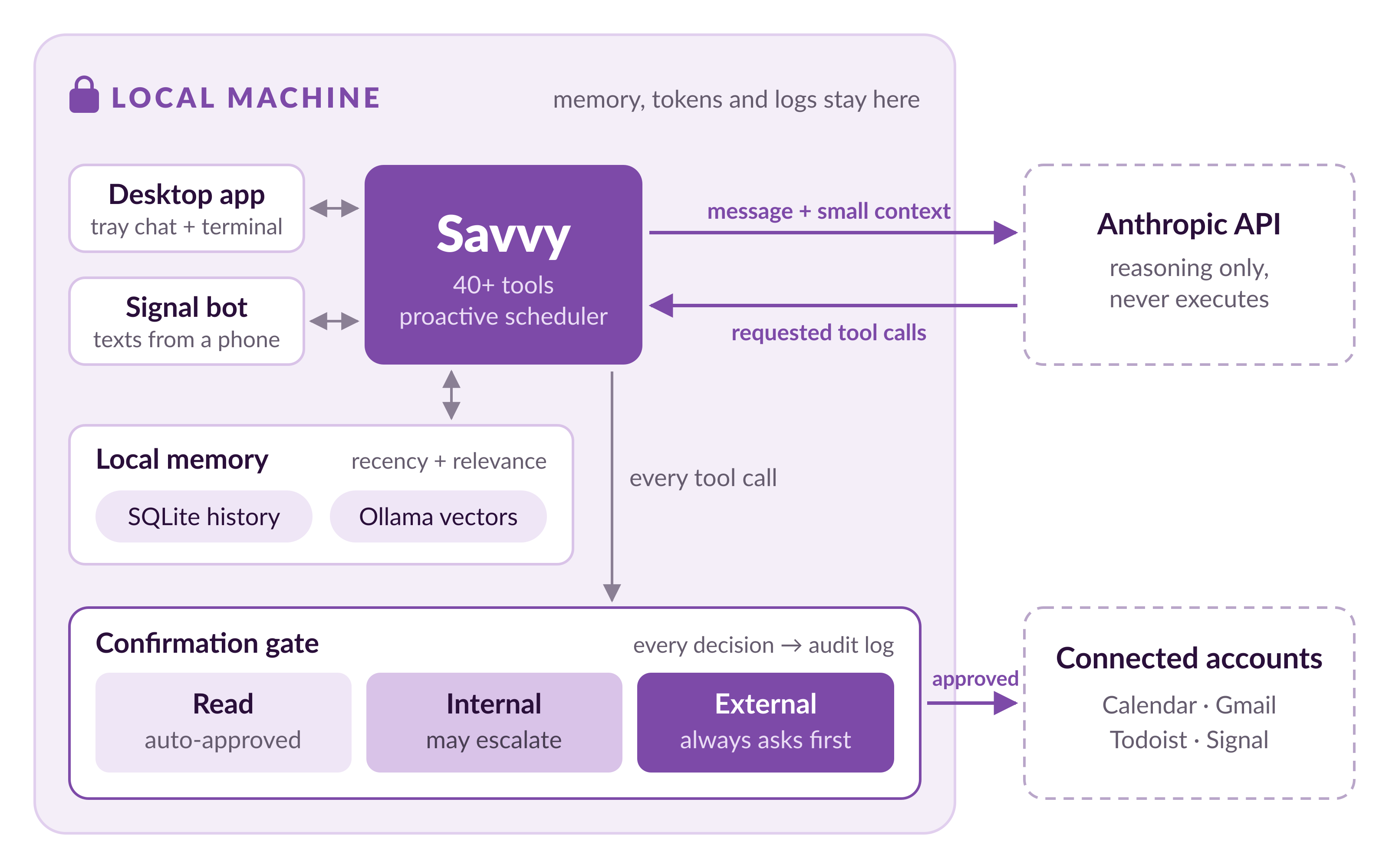
A private AI secretary for a schedule that keeps changing. Text it a reminder from class, or ask it to rebuild the day around a new plan. Memory stays on the local machine, and every action passes a confirmation gate.

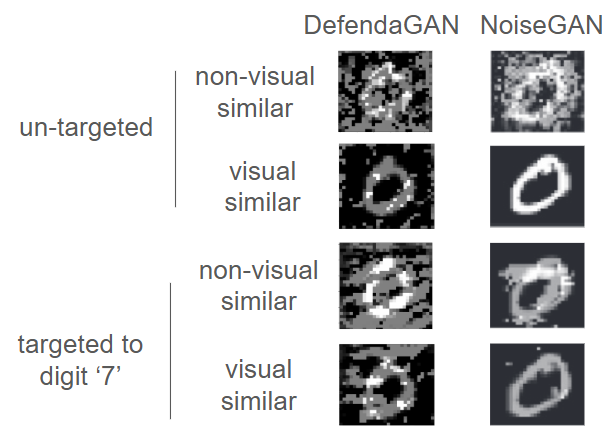
GAN-generated attacks that train a robust MNIST classifier: 89% accuracy under FGSM.

Learning several reward functions from mixed demonstrations, with reward gradients doing the sorting.

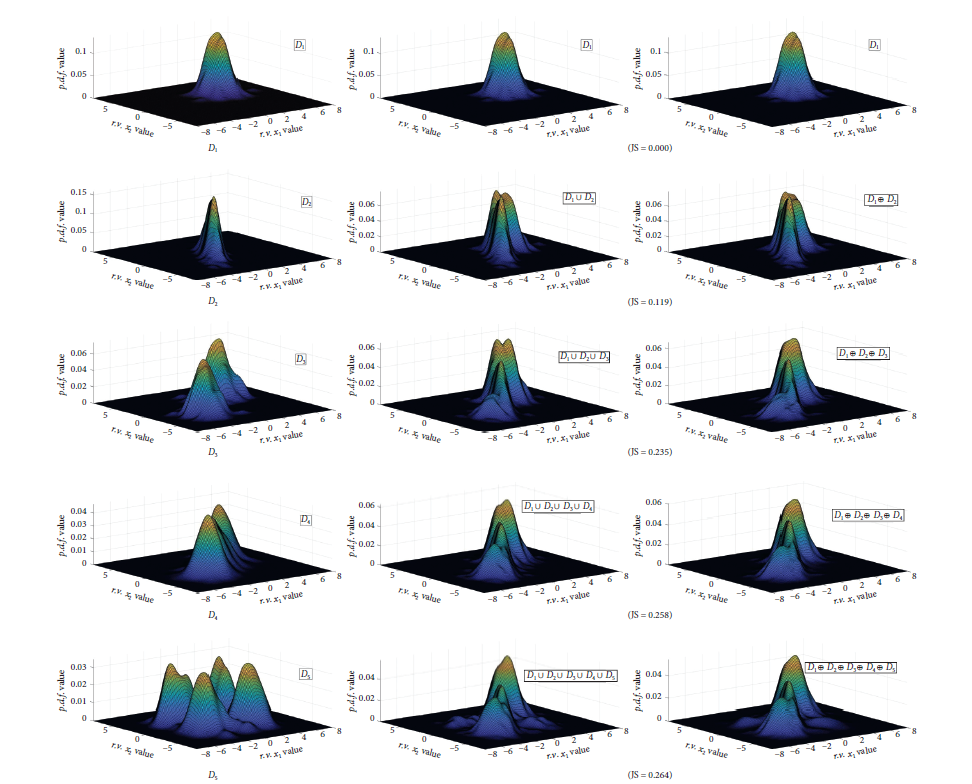
A comparison of three streaming density estimators, looking for one fast enough to run affordance detection on a robot in real time.
Click one to read more.
Research
School & teaching
Prof. Michael Everett's lab studies how autonomous systems can make reliable decisions and learn control from data. My work here is about robots that notice their own faults and choose the cheapest way to recover, and about models that pair learned parts with analytical structure. I hope to use the same pairing of analytical structure and learning to find the affordances and equivariances behind efficient behavior (research mission).
Advised by Prof. Michael Everett in the Autonomy & Intelligence Lab.
TA for two graduate courses under Prof. Bruno Castro da Silva. I graded hundreds of assignments and exams.
Prof. Bruno Castro da Silva's lab works on reinforcement learning. For my master's research I built SACRED, which learns from images which actions a scene affords, then steers a Q-learning agent toward the actions most likely to work. It learned much faster than undirected exploration: a structural prior doing work that would otherwise cost data.
Research in the Autonomous Learning Lab with Prof. Bruno Castro da Silva, plus a year as a TA for the graduate ML and RL courses.
Prof. Rod Grupen's lab builds robots that learn the way infants do. I worked on belief-space object recognition and mobile manipulation in the Roger simulator. Seeing an infant-style curriculum cut the data a robot needed is where my interest in priors from perception began.
Undergraduate research in the Laboratory for Perceptual Robotics with Prof. Rod Grupen.

Seven little fish are hiding around this site. Each one you find points to the next.
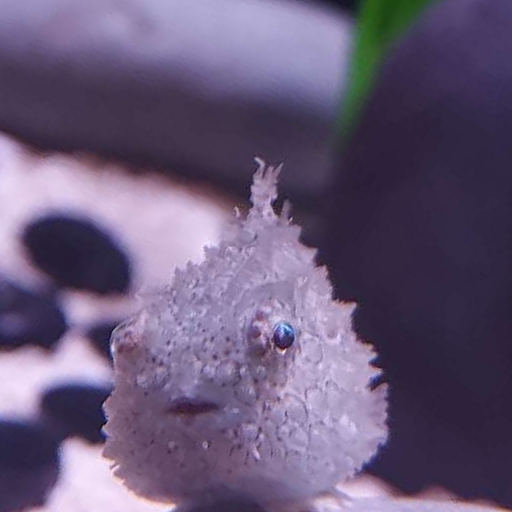
Lumpy is based on the lumpsucker, one of my favorite animals. It inspired this hunt, and it is why the particles turned into fish. Meet the real fish ↗